
India is a land of breathtaking contrasts, ancient history and a rapidly evolving future. But when traveling to India, it can be challenging to navigate the cultural differences and etiquette expected of locals. That’s why we’ve provided a quick research guide for the LGBTQ+ community, offering a journey through an enriching community filled with wonder and opportunity while respecting the natural lives of those who inhabit it.
While multiple research sources cover India’s culture, we’ve created a guide that offers a practical, honest and empowering look at the India you will actually encounter. We’ll arm you with the knowledge to travel confidently, respect local customs and fully experience the vibrant culture, from the bustling queer life of Mumbai to the tranquility of its rural heartlands.
The Legal Reality vs. The Social Reality: A Crucial Distinction
The single most important fact for any queer traveler is the 2018 Supreme Court ruling that decriminalized same-sex relations by reading down the colonial-era law, Section 377.
| The Progressive Law (Your Shield) | The Conservative Society (Your Context) |
| Same-sex relations are LEGAL: You will not face prosecution for consensual same-sex relations. Section 377: Same-sex relationships are now decriminalized in India, and discrimination is legally forbidden in most major sectors. Transgender people have had official recognition as a third gender in India since 2014. | Marriage is Not Recognized: Same-sex marriage and adoption rights are currently not legal. |
| No Tourist Penalty: You will not be penalized for being openly LGBTQ+. | Social Stigma: While legal status is achieved, social acceptance lags, especially among older generations and in non-urban areas. |
| Growing Visibility: Cities host Pride Parades and film festivals and have established LGBTQ+ organizations. | Caution with Authorities: While police harassment under Section 377 has ended, reports of police trying to exploit or extort queer individuals still occur—be cautious and know your rights. |
It’s important to understand that the law is on your side! You have rights that support you and recognize that you are not a criminal. However, you have to navigate your journey with cultural sensitivity to avoid uncomfortable or confrontational situations.
Cultural Etiquette & Actionable PDA Advice
India is, by and large, a modest and private society when it comes to any public display of affection, regardless of orientation.
To easily remember what is practiced and accepted in the culture, we’ve created three areas of focus: The PDA Rule, The Nuance and the Actionable Advice.
The PDA Rule
- The universal rule in India is to avoid any public kissing or intimate touching. This applies to both straight and LGBTQ+ relationships.
- Two women who are physically close may be perceived as friends or family, making them easier to fly “under the radar” than male couples.
- There are “No-Go” Zones, such as religious sites (temples, mosques, shrines) and rural villages, which are among the most conservative spaces.
The Nuances
- It’s extremely common for Indian men to hold hands or walk arm-in-arm as a sign of platonic friendship. For gay male couples, this can actually allow a level of PDA that doesn’t immediately suggest a romantic relationship to most locals.
- The primary concern for women traveling together is general street harassment, which is not necessarily related to sexuality.
- Respect is paramount. In these areas, all travelers, including straight travelers, are expected to be very modest in their dress and behavior.
Actionable Advice
- Men can stick to hand-holding/arm-linking in public spaces, particularly in busy areas. Everyone should avoid intimate acts like kissing or prolonged embraces outside of private, safe spaces.
- Be mindful of your surroundings and follow standard safety practices for female travelers (e.g., dress modestly, especially near religious sites and use reputable transport).
- Zero PDA in temples, mosques or remote villages is expected. Dress respectfully with shoulders and knees covered.
Safety Differences: Cities vs. Rural Regions
Your experience will drastically change depending on where you are in India. For example, major metro cities like Mumbai, Delhi, Bangalore and Goa are considered the epicenters of queer life, with visible communities, annual Pride events (Mumbai Pride, Delhi Queer Pride) and discreet but active nightlife scenes. In neighborhoods known for their cosmopolitan feel (e.g., Hauz Khas in Delhi, or Colaba/Bandra in Mumbai), you can feel more relaxed.
Mumbai is often cited as the most open-minded and cosmopolitan city, earning the nickname “Gay Capital” and hosting the country’s largest pride parade. You’ll find LGBTQ+-friendly venues like Kitty Su (in The Lalit hotels), which hosts regular queer nights. If using dating apps, exercise caution. Always meet in a busy, public place and let someone (like your hotel concierge or a trusted friend) know your location and time.
Goa is also known as a “Relaxed Zone” due to heavy international tourism and a beach culture. It’s arguably the most permissive place in India, making it an excellent destination for same-sex couples seeking privacy and a comfortable vibe. When using transportation, stick to Uber, Ola or private pre-arranged drivers, especially late at night, for safety and accountability.
Often, travelers want to experience a country’s true essence by visiting rural areas to understand its way of life. In India, social attitudes outside major cities are often rooted in traditional family and religious values. Open displays of difference—sexual orientation, or even just Western-style clothing—will attract significant, unwanted attention. That’s why it’s crucial to assume zero acceptance and revert to acting as friends or platonic companions when visiting. Be exceptionally discreet about your relationship.
It’s common to receive expectant stares (known as the “Indian gaze”) for simply being a foreigner, regardless of your sexuality. Adding PDA will only intensify this and may lead to confrontation. Therefore, always maintain a high level of discretion regarding both dress and behavior. No PDA.
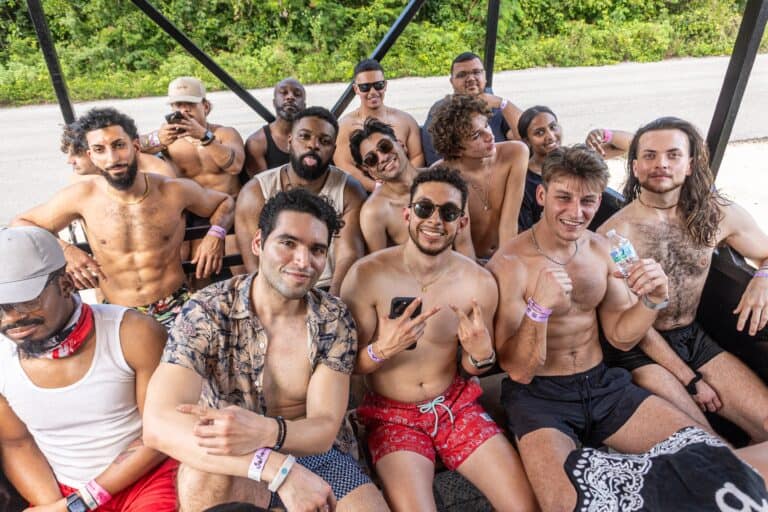
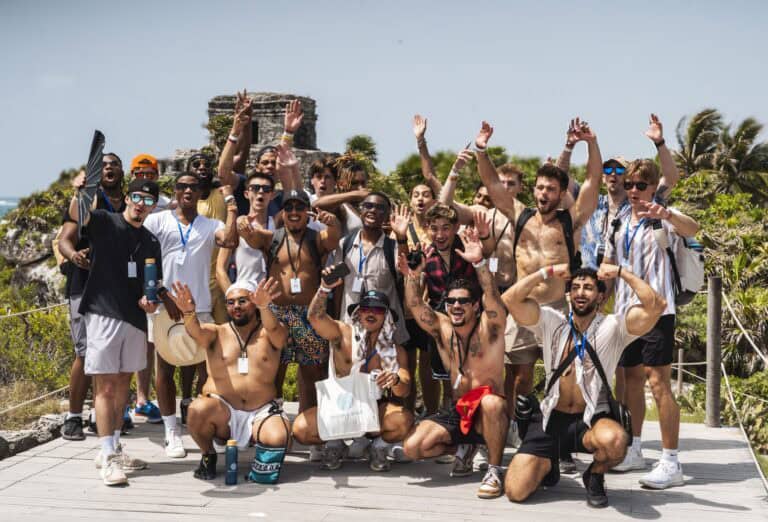
The complexities of regional social norms can be daunting, but you don’t have to figure it out alone. Visiting Wrld provides the ultimate safety net, combining expert local insights with a community of like-minded adventurers. Why guess when you can go with a team that has already paved the way?
Make sure to check out our curated LGBTQ+ retreats and travel with total peace of mind.
Simply Staying Active
India has its own fitness scene that reflects unique cultural norms.
For example, in major cities, you’ll find world-class gyms like Gold’s Gym or Cult Fit. These are often the safest “secular” spaces to meet like-minded, progressive locals. The dress code is relatively lenient, but where some may wear everyday gym attire, such as sports bras and shorts, which are common in high-end Mumbai gyms, it’s better to wear moisture-wicking tees and leggings in more local establishments.
Other active activities can be found outside of the gym. Rishikesh is the yoga capital of the world. While many ashrams are traditional, several boutique retreats cater specifically to the LGBTQ+ community, focusing on holistic healing and “Rainbow Yoga.”
Other activities or sports include hiking trails and rafting. Places like Kasol and Manali are famous for their “live and let live” vibe. Hiking trails are generally safe, but always hire a registered guide. Otherwise, White-water rafting in Rishikesh could be more your style.
Reaching Your Destination
Traveling to and in India as a person a part of the LGBTQ+ community means carrying an extra layer of awareness that a straight tourist might overlook, but this should not be a deterrent—it should be an empowerment. It is an invitation to move through the world with intention, depth, and a heightened connection to the cultures you encounter.
India is not a monolith. It is a country where an ancient, conservative history coexists with a dynamic, progressive youth culture. By respecting local social norms while confidently asserting your legal rights, you will not only be safe but also deeply enriched by one of the world’s most incredible travel destinations.
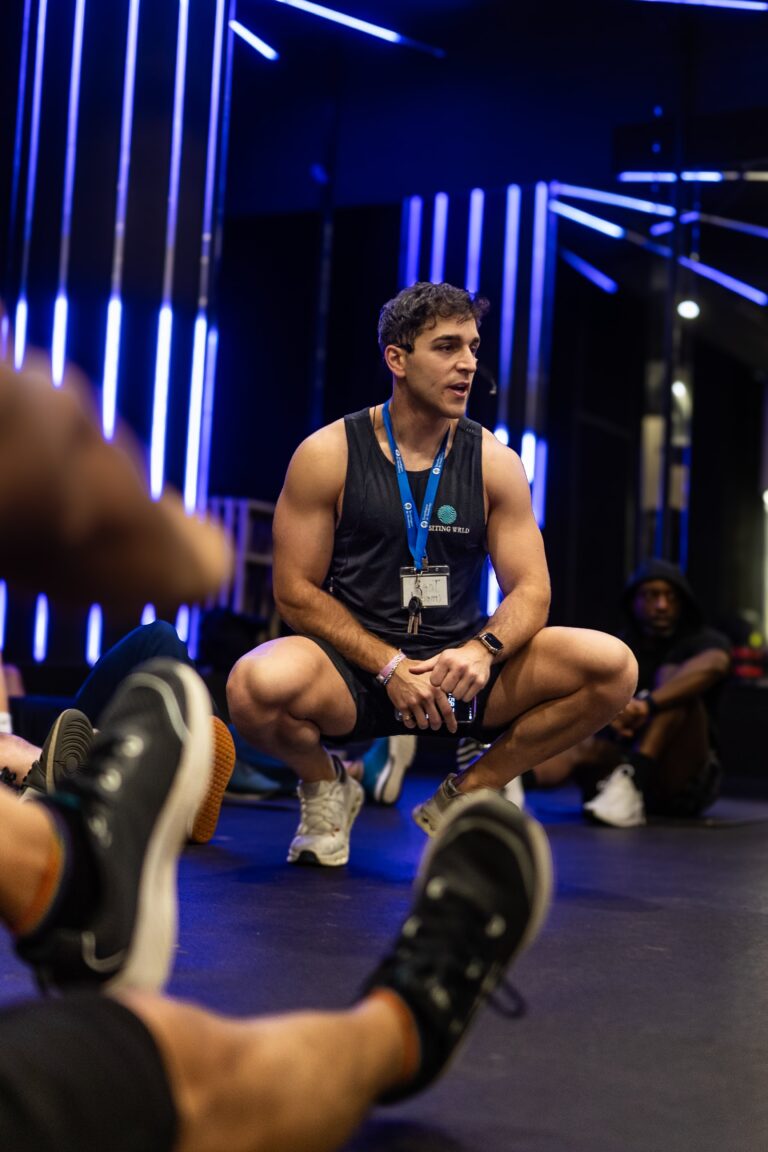
But you don’t have to navigate this journey alone. At Visiting Wrld, we don’t just offer trips; we curate life-altering retreats designed for the queer traveler who refuses to compromise on fitness, safety, or authenticity. We provide the elite coaching, the local expertise, and the supportive community you need to explore the world’s most complex destinations with total confidence.
Whether it’s mastering your peak physical form in a tropical paradise or finding spiritual clarity in the heart of India, we bridge the gap between “traveler” and “adventurer.” Are you ready to transform your perspective and your physique? Go prepared, be smart and reclaim your world with Visiting Wrld.
Explore Our Upcoming Retreats & Secure Your Spot Today!
About Visiting Wrld
Visiting Wrld is a global travel collective dedicated to uncovering the world’s most vibrant cultures through the lens of inclusivity, fitness and authentic adventure. The company was founded by Coach Joe Ghafari and Jasper Jorolan and launched in 2024. Our mission is to provide the LGBTQ+ community with the information they need to feel empowered and confident in who they are, while exploring the world around them and building their health in the way they want.